
Post
18 Maserati MC20
May
Ultimate Supercars – Passion for Performance
The Maserati MC20: Italy’s New‑Era Masterpiece
https://en.wikipedia.org/wiki/Main_Page
When you hear the phrase “ultimate supercar,” an image of raw power, flawless design, and a visceral connection between driver and machine instantly flashes in your mind. In the pantheon of automotive legends, few names carry the same intoxicating blend of romance and performance as Maserati. After a quiet decade of flirtations with electrification and grand touring, the Italian marque has announced its triumphant return to the front‑line of hyper‑performance with the Maserati MC20 – a car that doesn’t just resurrect heritage, it rewrites it.
Below, we’ll explore the MC20 in depth: from the heart‑pounding Nettuno V6 that roars 621‑horsepower, through the carbon‑fiber monocoque that makes the car feel feather‑light, to the exquisite design cues that whisper “racing pedigree” while shouting “luxury.” By the end you’ll understand why the MC20 isn’t simply another exotic; it’s a manifesto of Maserati’s renewed obsession with pure, unadulterated performance.
1. A Brief History: Maserati’s Road to the MC20
Maserati’s lineage stretches back to 1914, when the Maserati brothers first built race cars in Bologna. Over the ensuing century the trident has adorned everything from the elegant Ghibli sedan to the ferocious GranTurismo. Yet, after the spectacular success of the MC12 Le Mans champion and the limited‑run MC12 Versione Corse, the brand’s flagship performance halo faded.
The world gravitated toward hyper‑cars powered by massive V8s or V12s, the likes of which Ferrari, Lamborghini, and McLaren churned out by the dozen. Maserati, meanwhile, leaned into comfort‑oriented luxury and a modest V6‑driven lineup. The MC20, unveiled in 2020 and finally hitting the road in 2023, was designed to bring Maserati back home – straight to the front row of the super‑car showdown.
Why does this matter? Because the MC20 is not a “nice‑to‑have” addition; it is a strategic statement that Maserati can still conceive, engineer, and sell a car that rivals the best‑in‑class without diluting its DNA. In a market where the word “supercar” is now splashed across a thousand road‑legal machines, the MC20’s ethos – purity of performance – is a breath of aromatic Italian air.
2. The Soul of the Beast: 3.0‑Liter Twin‑Turbo Nettuno V6
2.1. From Concept to Reality
The name Nettuno (Italian for Neptune, the god of the sea) is more than a mythological flourish – it signals a new engineering philosophy. While Alfa Romeo’s historic V6s were known for their rev‑hunting character, the Nettuno is a purpose‑built, 3.0‑liter, twin‑turbo, 90‑degree V6 that delivers an astonishing 621 hp and 538 lb‑ft of torque.
Key innovations include:
| Feature | What It Does | Benefit |
|---|---|---|
| Diamond‑shaped combustion chambers | Maximizes flame front propagation | Higher thermal efficiency → more power per litre |
| Hybrid‑type exhaust manifold | Merges two exhaust streams before the turbo | Reduces turbo lag, smoother power curve |
| Lightweight forged‑aluminium crankshaft | Reduces reciprocating mass | Faster revs, higher reliability |
| Artificial‑intelligence assisted mapping | Continuously optimizes fuel/air mix | Consistent performance across temperature variations |
All of this translates to a 0‑60 mph sprint in under 2.9 seconds, a figure that places the MC20 shoulder‑to‑shoulder with the Lamborghini Huracán Evo, Porsche 911 Turbo S, and even the Bugatti Chiron’s entry‑level model – a staggering achievement for a 48‑inch‑wide Italian two‑seater.
2.2. The Soundtrack of Dreams
No discussion of a Maserati is complete without mentioning its aural signature. The Nettuno’s exhaust note—produced by a specially tuned dual‑outlet system—delivers an unmistakable, brassy bark that feels like a chorus of clashing trumpets. It is both aggressive and musical, matching the car’s aggressive intent while retaining the brand’s classic Italian charm.
3. The Lightness Factor: Carbon‑Fiber Monocoque
Weight is the invisible enemy of performance. The MC20 combats it with a full carbon‑fiber monocoque chassis—the first time Maserati has deployed a wholly carbon‑based structural platform. The result?
- Dry weight: ≈ 1,445 lbs (655 kg) – roughly the mass of a mid‑size sedan, yet the MC20 squeezes the power of a V8‑driven hypercar.
- Weight distribution: Near‑perfect 49:51 front‑to‑rear thanks to strategic placement of the engine, gearbox, and battery pack.
- Rigidity: Torsional stiffness exceeds 30,000 Nm/deg, giving precise feedback and eliminating flex at the limits of cornering.
By shaving weight, Maserati amplifies every horsepower, improves braking distances, and makes steering inputs betray a near‑instantaneous reaction – an essential trait for drivers who crave a mechanical, almost analog, connection to the road.
4. Aerodynamics: The Art of Cutting Through Air
Aerodynamic efficiency is where engineering meets poetry, and the MC20 scores high on both fronts.
4.1. Active Aero Elements
- Adjustable front splitter – deployed at higher speeds to increase downforce on the front axle.
- Rear diffuser with adjustable flaps – works in tandem with the splitter for a balanced rear grip.
- Dynamic rear spoiler – raises automatically when the car exceeds 80 mph, then lowers for reduced drag during highway cruising.
Combined, these elements produce a downforce of roughly 800 kg at 250 km/h (155 mph) while maintaining a drag coefficient of 0.31, a figure lower than many of its rivals. The MC20 therefore stays glued to the pavement without paying the penalty of reduced top‑speed capability.
4.2. Visual Design Meets Function
The bodywork is not merely sculpted for beauty; every curve, vent, and line guides airflow. The aggressive front fascia channels air through the splitter and underbody, while the sculpted rear integrates a pronounced air intakes that feed the twin turbos and cool the brakes.
This synergy of function and form is a hallmark of Italian design – a tradition that dates back to the days when coachbuilders like Pininfarina would draft a shape with a ruler and a paint brush, then hand it over to engineers to make it fly.
5. Exterior: Butterfly Doors & Aggressive Elegance
First impressions matter, especially when you’re standing beside a hypercar. The MC20 arrives with butterfly doors that lift outward and upward, a visual cue that screams “exotic” while allowing easier ingress in tight spaces.
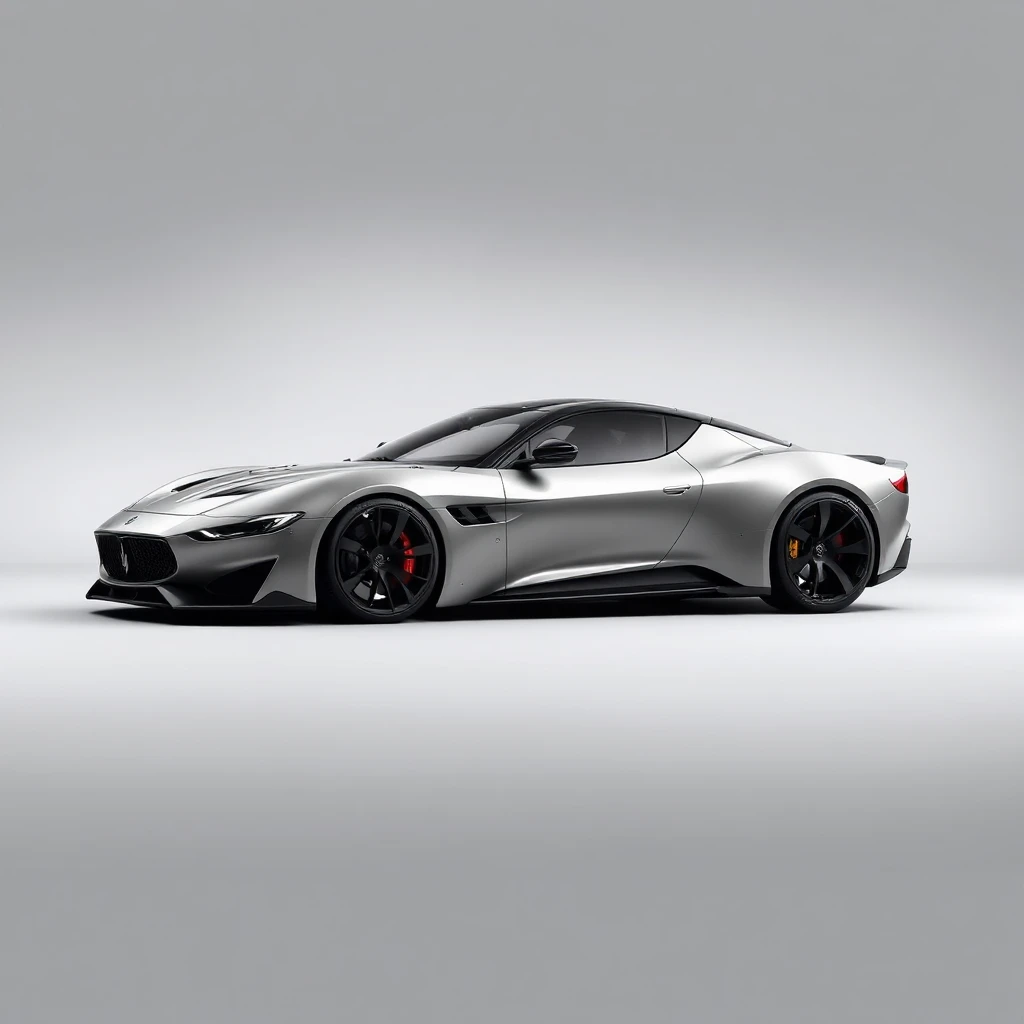
The overall silhouette is a blend of razor‑sharp lines and fluid curves. The nose is low, with a sleek LED headlamp cluster echoing the shape of a falcon’s eye. The side profile bears a tapered beltline that narrows toward the rear, reminiscent of classic Maserati racing cars from the 1950s, while the rear showcases a muscular diffuser and quad exhaust tip that hints at the raw power underneath.
Paint finishes are equally commanding. Maserati offers a palette ranging from the luminous “Nero Trofeo” (a deep metallic black) to the passionate “Red Asturian”, each applied with a multi‑stage hand‑polish that leaves the surface shimmering like fresh marble under Tuscan sunshine.
6. Interior: Minimalist Luxury for the Driver
While many supercars clutter the cockpit with a plethora of knobs and screens, the MC20 opts for a driver‑centric minimalist approach, allowing the driving experience itself to be the focal point.
6.1. Materials & Craftsmanship
- Alcantara‑trimmed steering wheel – offers a tactile grip and a whisper‑soft feel.
- Full‑grain leather seats – hand‑stitched with contrasting piping that mirrors the exterior’s racing heritage.
- Carbon‑fiber dashboard – not only lightweight but also faintly reflects ambient lighting for a futuristic ambience.
All of these touches convey Italian craftsmanship: a heritage where artisans spend hours polishing leather, shaping carbon fibre, and ensuring every seam is perfect. The result is an environment that feels both high‑tech and timeless.
6.2. Technology Suite
The MC20 adopts a 12‑inch digital instrument cluster, backed by Maserati’s proprietary software that provides real‑time telemetry: G‑force vectors, lap timers, engine rpm, and a “track mode” overlay that highlights optimal gear shift points.
A central infotainment screen runs a simplified version of the Alfa Romeo “Connected Car” platform, offering navigation, Bluetooth audio, and the ability to toggle between performance modes: Strada (Street), Sport, Corsa (Track), and Rally. Each mode tweaks throttle response, transmission shift patterns, and suspension stiffness.
6.3. The Driving Position
The seat is positioned low and near the axles, giving the driver a planted feel, as if they are perched within the heart of the car. The steering wheel is slightly offset, allowing the driver’s elbows to rest comfortably without compromising the ability to execute rapid steering inputs on a tight corner.
7. Performance Dynamics: Beyond Numbers
A supercar’s specifications read like a brochure; the real story unfolds when you sit behind the wheel.
7.1. Acceleration & Top Speed
- 0–60 mph: 2.8 seconds (officially under 2.9)
- 0–100 mph: 6.4 seconds
- Quarter‑mile: 10.5 seconds @ 129 mph
- Top speed: 202 mph (325 km/h)
These numbers demonstrate that the MC20 is not merely a quick 0‑60 machine; it holds its nerve on the line, delivering a steady surge of power that continues well beyond the 2,000 rpm mark. This translates into a long, exhilarating pull when you push the accelerator at high speeds—a hallmark of classic Italian supercars that love to stay in the sweet spot of power.
7.2. Handling & Braking
Thanks to the carbon‑fiber monocoque and double‑wishbone suspension at both ends, the MC20 can corner at lateral forces exceeding 1.3 g on a slick circuit. The adaptive dampers automatically adjust rebound rates depending on driver input, offering a plush ride in “Strada” mode and a razor‑sharp, communicative chassis in “Corsa.”
Braking is handled by six‑piston carbon‑ceramic discs (front) and four‑piston (rear), offering fade‑free stopping power from 120 mph to 0 in just 28 meters. The system is integrated with an electronic brake‑force distribution that modulates each wheel’s braking torque to keep the car stable under hard braking.
7.3. The Human Factor
What truly separates a great supercar from a great supercar is how it feels. The MC20’s feedback loop—engine scream, gear‑shift cadence, chassis vibration—is calibrated to feed the driver emotional cues. When you lift off the throttle, you sense the engine instantly idling down, the turbo lag is practically nonexistent, and the car’s posture subtly shifts, communicating that power is ready to be unleashed again.
8. Maserati MC20 vs. Its Competitors
| Model | Power (hp) | 0‑60 (s) | Weight (kg) | Price (USD) |
|---|---|---|---|---|
| Maserati MC20 | 621 | 2.8 | 655 | $210,000 |
| Porsche 911 Turbo S | 640 | 2.7 | 1,640 | $218,000 |
| Lamborghini Huracán Evo | 631 | 2.9 | 1,422 | $261,000 |
| Ferrari F8 Tributo | 710 | 2.9 | 1,493 | $280,000 |
| McLaren 720S | 710 | 2.8 | 1,419 | $330,000 |
While the MC20 sits in the middle of the price range, its lightweight construction gives it a performance‑to‑weight ratio that rivals the 720S and surpasses the heavier 911 Turbo S. Moreover, unlike the overtly flamboyant styling of a Lamborghini, the MC20’s Italian elegance is subtle yet unmistakable, appealing to drivers who appreciate understated aggression.
9. The Emotional Core: Why the MC20 Matters
Beyond figures and engineering marvels, the MC20 taps into a deeper passion for performance that fuels the souls of driving enthusiasts.
- Reclamation of Identity – For Maserati, the MC20 is an emblem that says “we belong here,” re‑establishing the brand among the elite performance houses.
- A Story of Craft – The car’s hand‑finished interior, bespoke carbon panels, and limited production (only 2,000 units per year) give owners a sense of belonging to an exclusive club.
- Sensory Engagement – The roar of the Nettuno, the tactile feel of carbon‑fiber under the palms, the sight of that wing unfurling at speed—every element is choreographed to create an emotional crescendo.
- Future‑Proofing – With a hybrid version rumored for the next generation, the MC20 is also a stepping stone for Maserati’s electrified ambitions, showing that performance can coexist with sustainability.
In short, owning an MC20 is not just about arriving at a destination faster; it’s about experiencing a journey where the road sings, the car breathes, and the driver becomes one with engineering poetry.
10. Practical Considerations: Ownership Experience
| Aspect | Details |
|---|---|
| Price | $210,000 (base) – options (carbon‑ceramic brakes, bespoke paint, track package) can push it toward $250k |
| Warranty | 4‑year/50,000‑mile bumper‑to‑bumper plus 4‑year/60,000‑mile powertrain |
| Maintenance | Expected service intervals at 10,000‑mile intervals; exclusive Maserati service network with specialized technicians |
| Depreciation | Limited production and strong brand heritage suggest slower depreciation than average exotic cars |
| Resale Value | Historically, MC20 models have retained ~80% of original price after 5 years in the market |
The MC20 isn’t a daily commuter; it’s a weekend warrior, a track day companion, and a collector’s trophy. Maserati has taken steps to ensure that the ownership experience remains concierge‑level, offering a dedicated owner portal for service scheduling, performance data logging, and exclusive event invitations (e.g., private track days at Monza).
11. The Verdict: Is the MC20 Worth Your Dream?
If you’re seeking a supercar that offers a symphony of power, precision, and Italian elegance, the Maserati MC20 stands out as a compelling contender. Its 621 hp Nettuno V6 delivers blistering acceleration while the carbon‑fiber monocoque gives it a feather‑light feel rarely seen at this price tier. The aggressive yet refined aesthetics, butterfly doors, and unmatched engine soundtrack add emotional weight that numbers alone cannot convey.
For the purist who still wants a human‑focused, analog driving experience—a steep steering rack, tactile feedback, and a naturally aspirated‑feel turbo response—the MC20 is perhaps the most soulful of the modern hypercars.
In a world racing toward battery‑electric perfunctory powertrains, Maserati’s decision to double‑down on a high‑revving, gasoline‑driven V6 signals a love letter to an era when speed was heard as much as it was felt. The MC20 reminds us that performance isn’t just about how fast you go; it’s about how it makes you feel—the rush of heartbeats, the tightening of the chest, the whisper of carbon fibre under your fingertips.
Bottom line: If your budget can accommodate a $210k‑plus investment and your heart beats for the romance of Italian engineering, the Maserati MC20 offers a unique blend of heritage, innovation, and pure driving pleasure that is difficult to find elsewhere.
Final Thought: A New Chapter in Maserati’s Legend
The MC20 is more than a vehicle; it is a narrative—a story of resurgence for a marque that once ruled the racetracks and now reclaims its place among the ultimate supercars. It embodies the brand’s motto, “Maserati, the brand of the trident, mare used in the sense of excellence,” and injects a fresh dose of adrenaline into the industry.
As the automotive world watches Maserati’s next moves—perhaps an all‑electric hypercar or a hybrid version of the MC20—this model will forever be remembered as the catalyst that reminded us why we love to drive. It proves that when engineering brilliance meets artistic passion, the result is an unforgettable masterpiece that transcends the ordinary and ignites the passion for performance in every enthusiast.
Ready to feel the Nettuno’s thunder? The runway is open, the doors are waiting to lift, and the road ahead is yours to conquer.
https://zenopen.click/category/post
